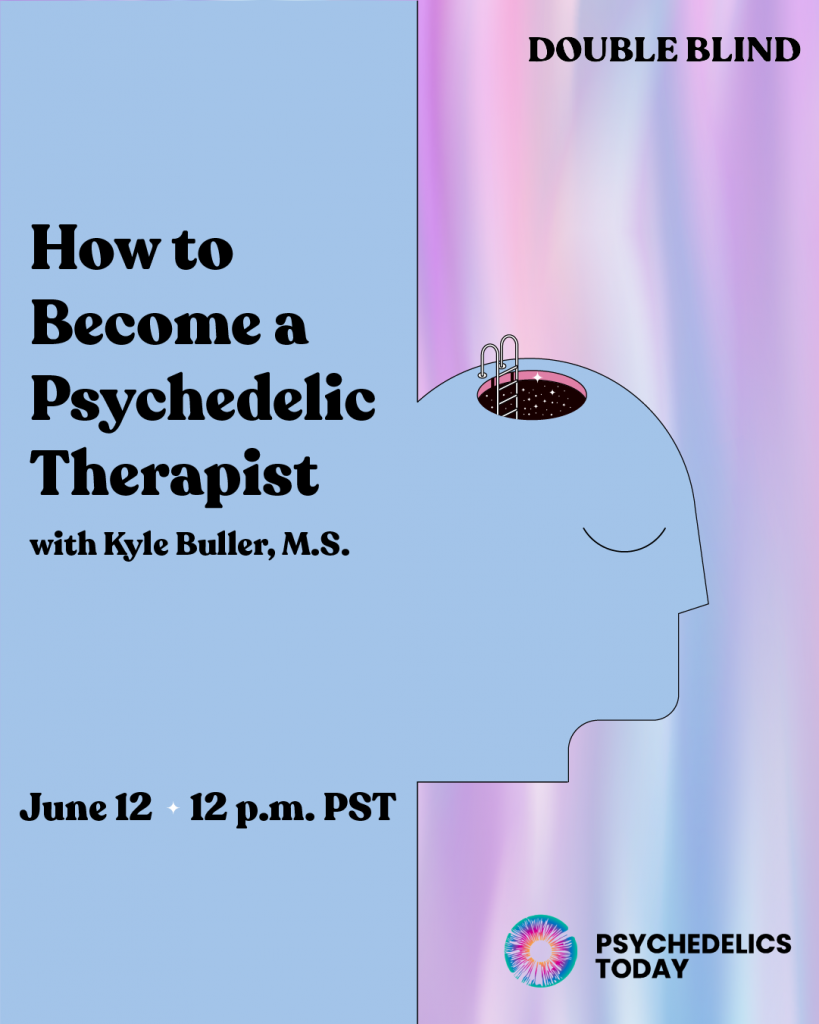
It’s now widely accepted among professionals in the psychedelic community that psychedelics will be legal, in therapeutic contexts, in the next decade. That means that we’ll need an entire infrastructure to support that, and one of the key components will be therapists who are competent in helping people prepare for, navigate, and process their psychedelic experiences.
In recent years, a number of programs and schools have emerged in preparation for the forthcoming psychedelic medical paradigm, from weekend-long trainings to degrees. Where does a person who wants to help others with their psychedelic experiences begin? If you’re a licensed counselor of some kind already, what are the best next steps for becoming trained in psychedelic integration therapy? What do trainings like this entail? What makes for a good psychedelic therapist anyway? And if you’re not a licensed counselor—say a journey facilitator without a degree in counseling or just a person who wants to get into the psychedelic field—what are your options?
We’ll explore all this and more in our 90-minute webinar with Psychedelics Today Co-Founder Kyle Buller. There will also be time for questions from our community at the end.
If you cannot afford the suggested sliding scale, email hello@doubleblindmag.com to be registered.
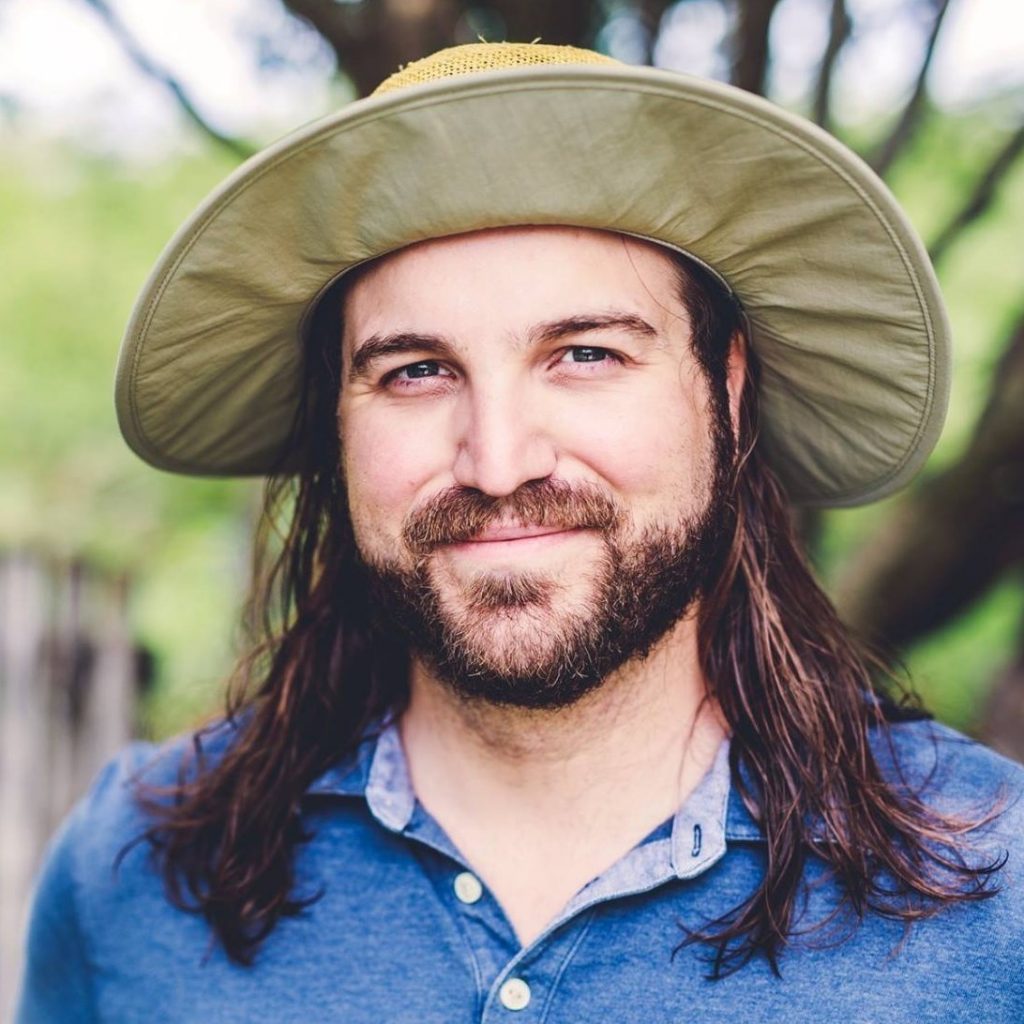
Kyle has earned his B.A. in Transpersonal Psychology and his M.S. in Clinical Mental Health Counseling with an emphasis in Somatic Psychology from Prescott College. Kyle is a Licensed Associate Counselor and offers psychotherapy services specializing in psychedelic integration, spiritual emergence, and ketamine-assisted psychotherapy. Kyle’s clinical background in mental health consists of working with at-risk teenagers in crisis and with individuals experiencing an early episode of psychosis and providing counseling to undergraduate/graduate students in a university setting.
All DoubleBlind+ memberships include access to monthly webinars, intimate fireside chats with experts, an online community forum, and extensive video library, 50% off all DoubleBlind courses, a print magazine subscription, a community directory, and more.
Annual Pricing
SAVE 20% » BEST VALUE!
Monthly Sliding Scale Price Tiers
Recurring payment—cancel anytime
At DoubleBlind, we do our best to price things so that they’re accessible while also being able to cover our costs as a small, independent, impact-oriented business. We like the spirit of the sliding scale, because it enables people to pay more, if they can afford to and would like to support our work. Regardless of whether you pay the minimum or the maximum, you will receive the same offerings. The extra money just goes to subsidize some of our other offerings, like the scholarships for our courses and our journalism.